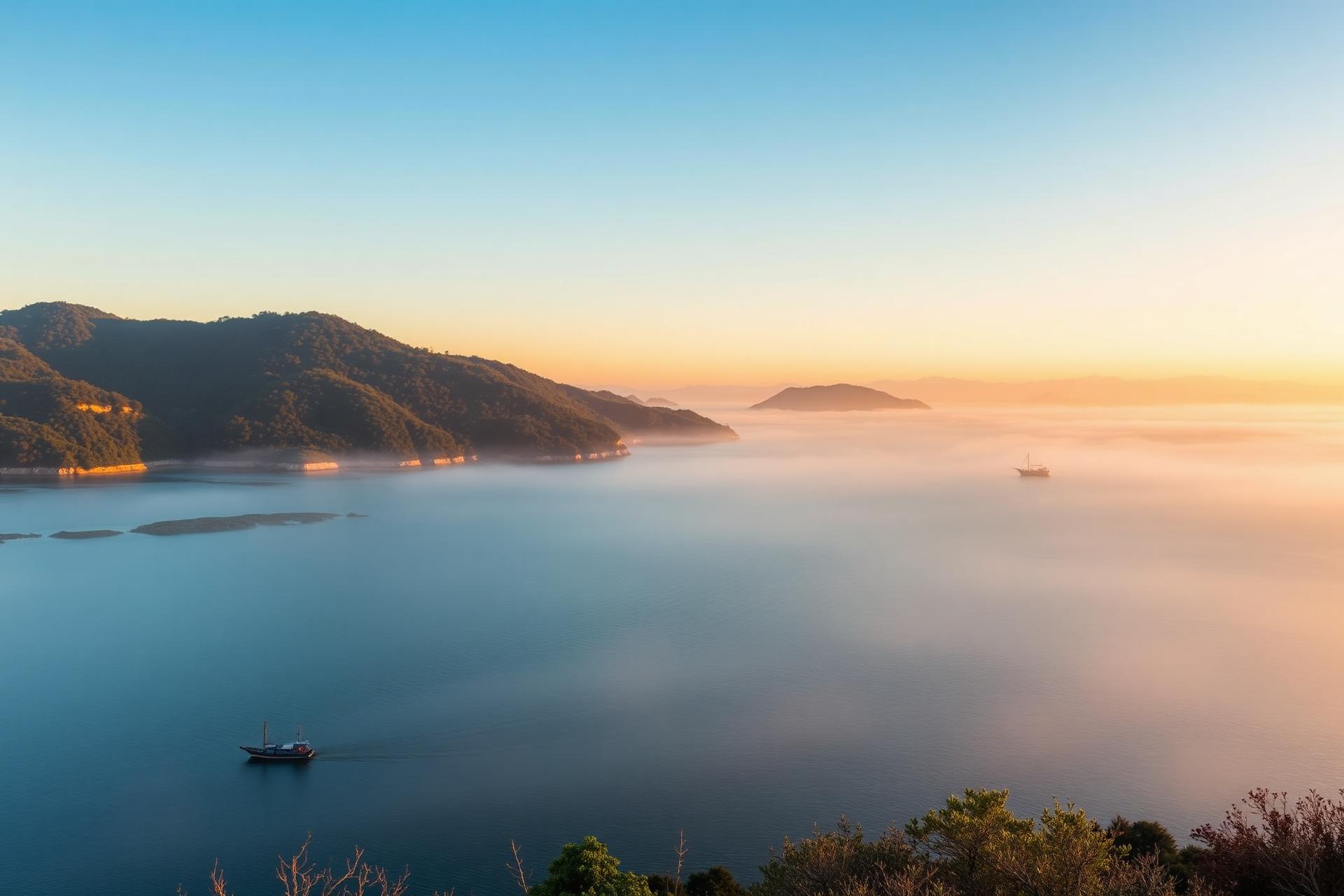
A quieter side of Korea
Island horizons, green landscapes, old towns and flavours shaped by the southern sea.
Where the land meets the southern sea
At the southern edge of South Korea, Jeollanam-do is a region of islands, gardens, tea fields, historic towns and generous local food. It is a place to travel slowly, spend time outdoors and experience a different rhythm of Korea.
Choose your rhythm
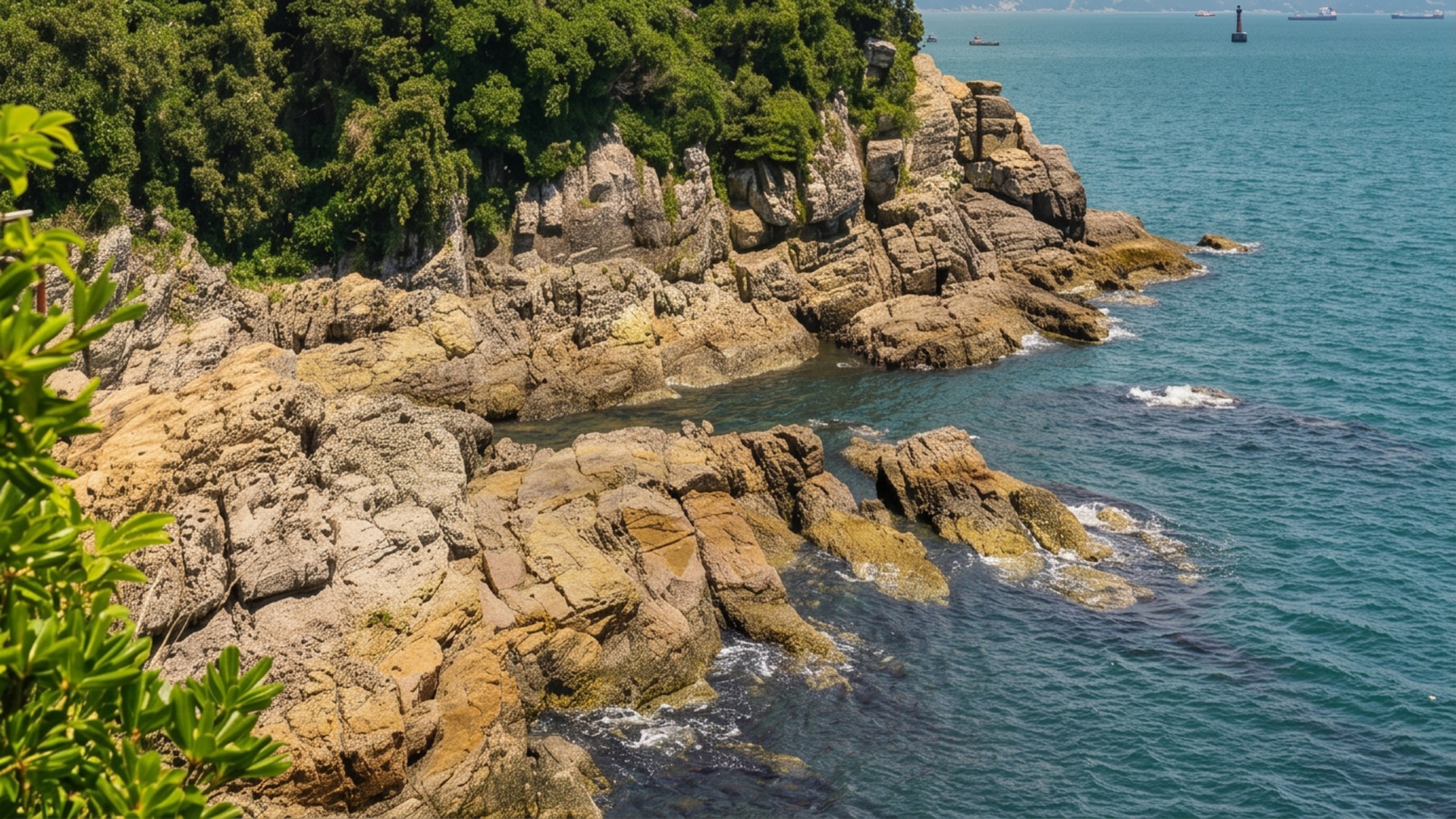
Sea, islands and open horizons
Follow the southern coast through forested islands, waterfront paths, cliffside temples and cities shaped by the sea.
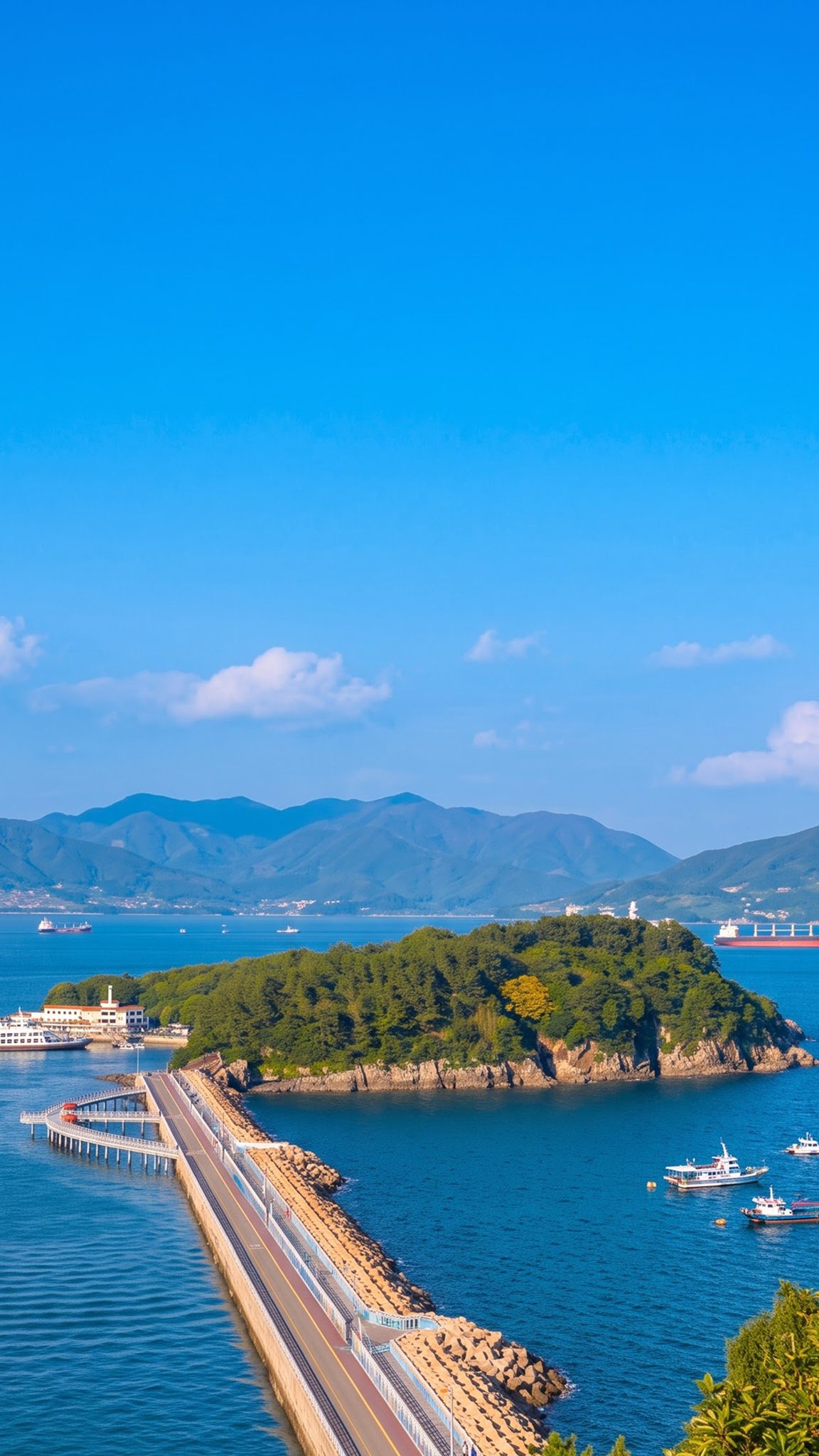
Odongdo Island
A small forested island linked to Yeosu by a long seaside breakwater, famous for its camellia woods.
 Yeosu
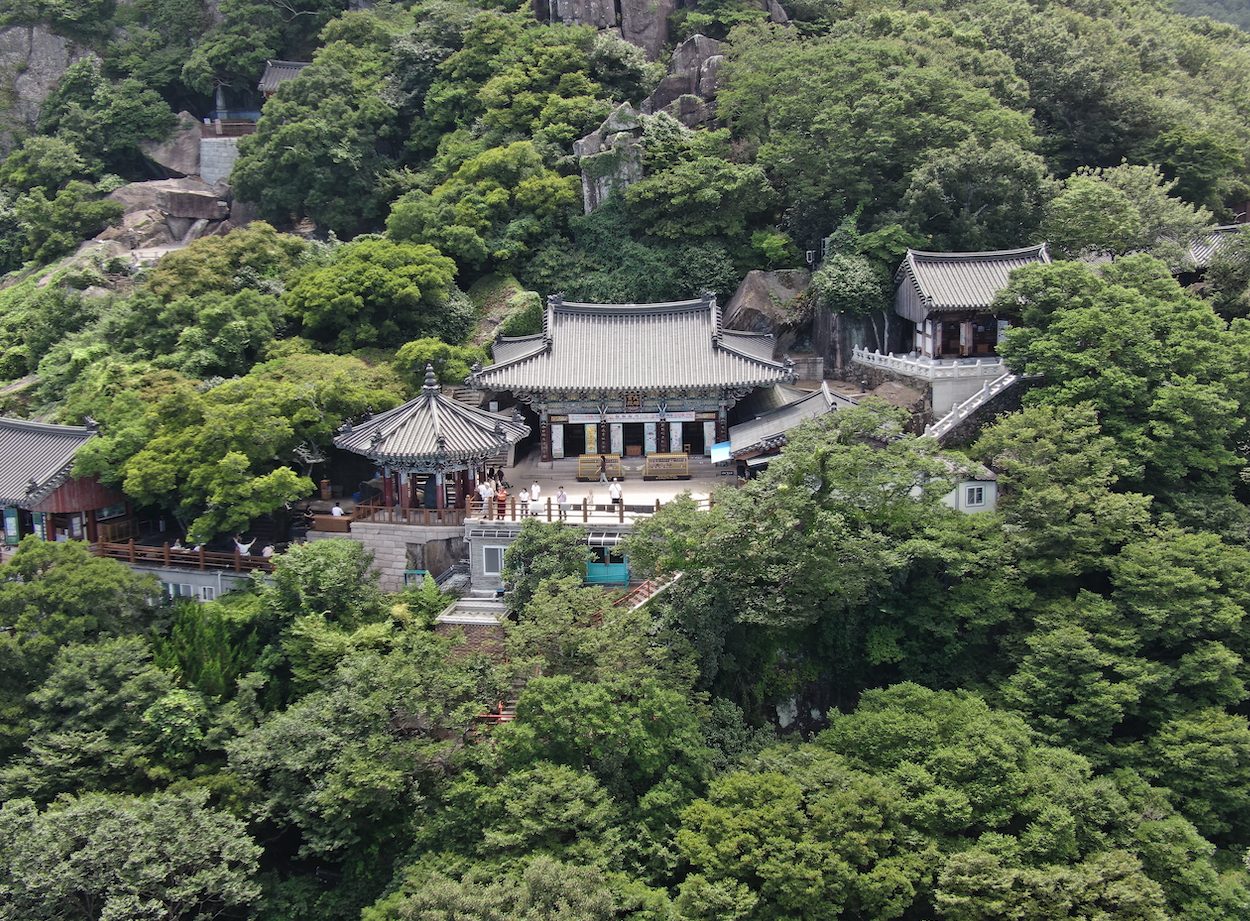
YeosuHyangiram Hermitage
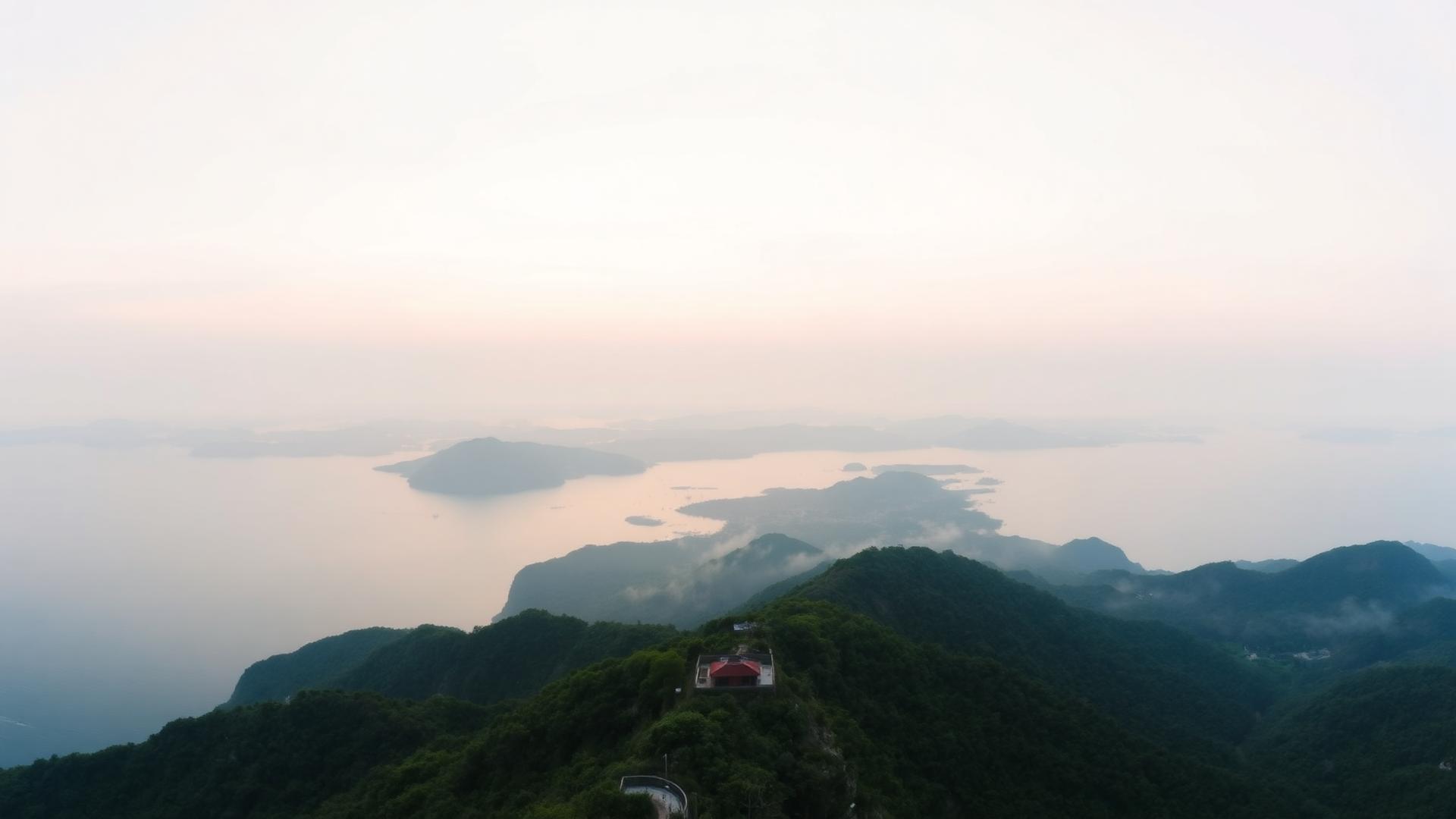
A hermitage set into a forested rock peak above the sea, best known for its sunrise view.
 Mokpo
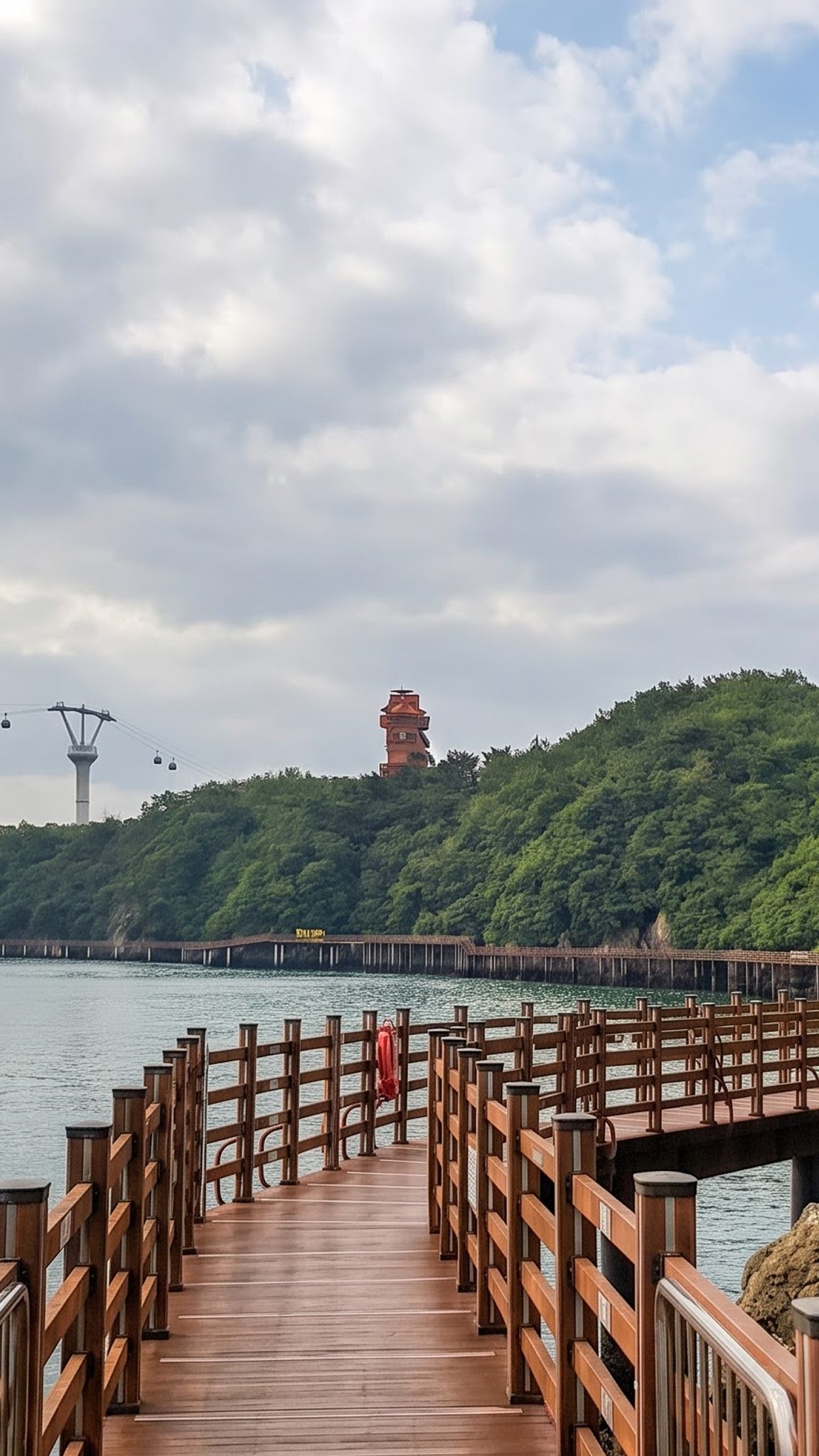
MokpoGohado Sea Deck
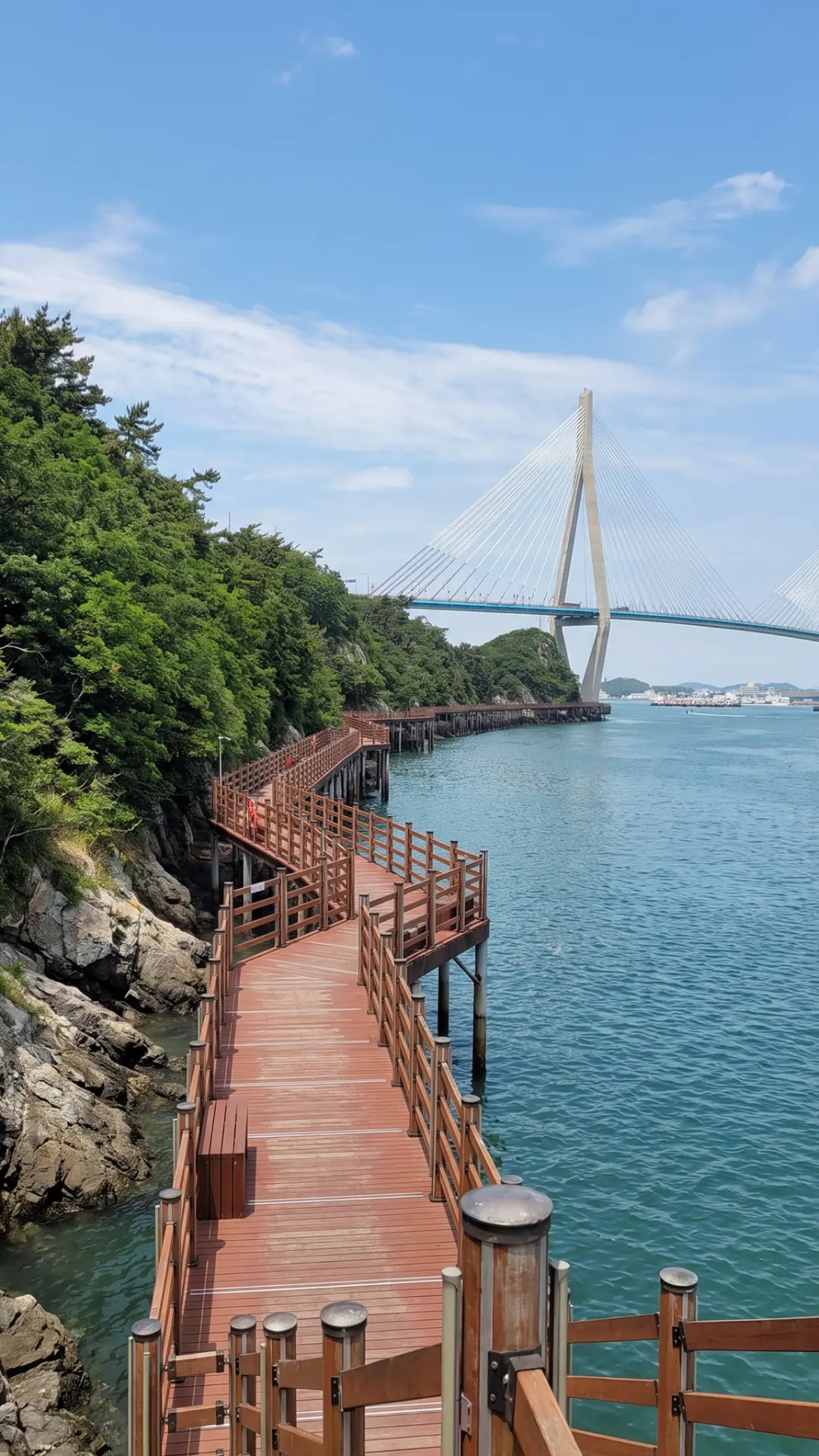
A wooden walkway that runs along the cliffs of Gohado, just above the water.
 Mokpo
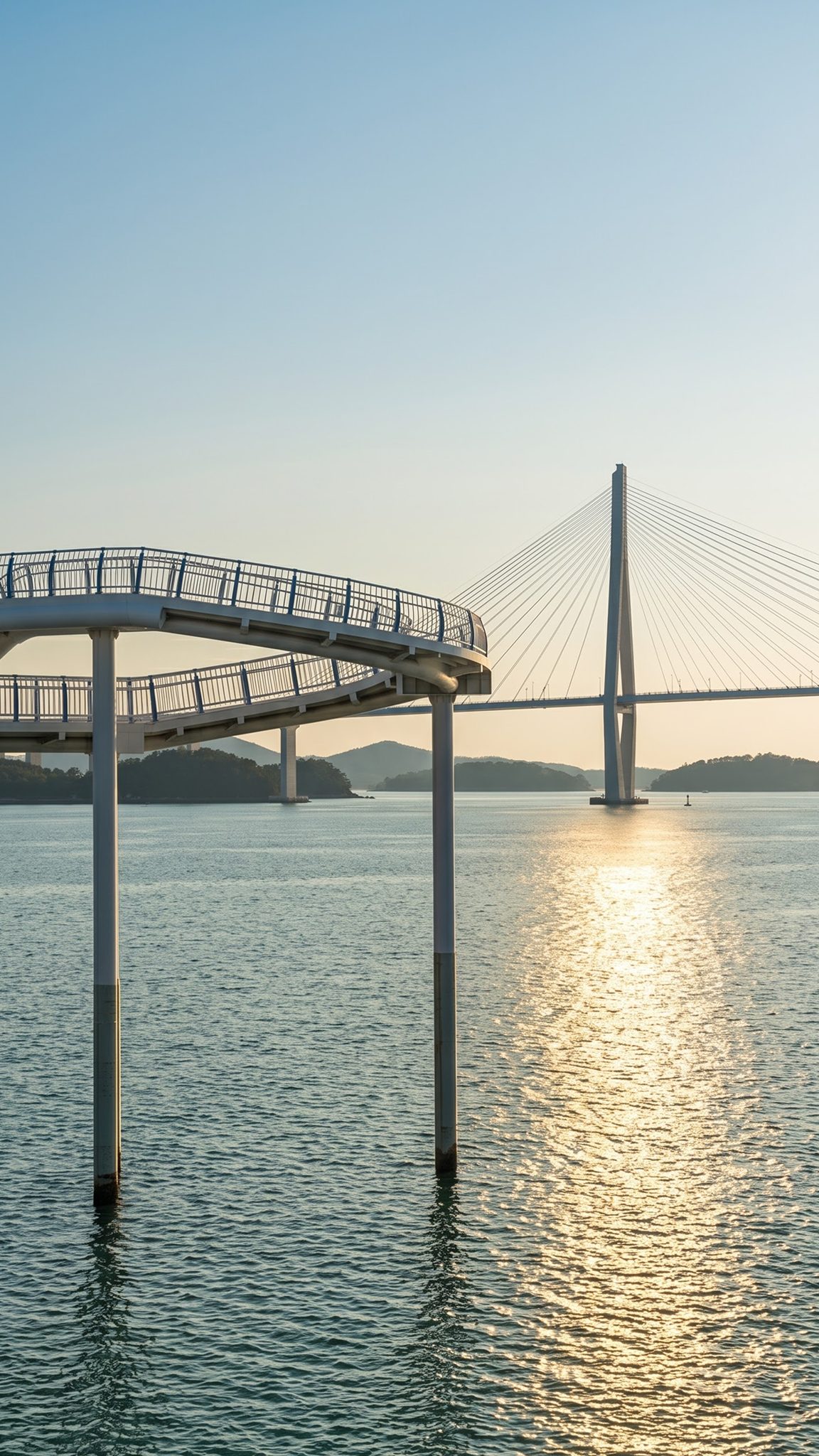
MokpoMokpo Skywalk
A viewing deck reaching out over the harbour, looking towards the bridge at sunset.
 Mokpo
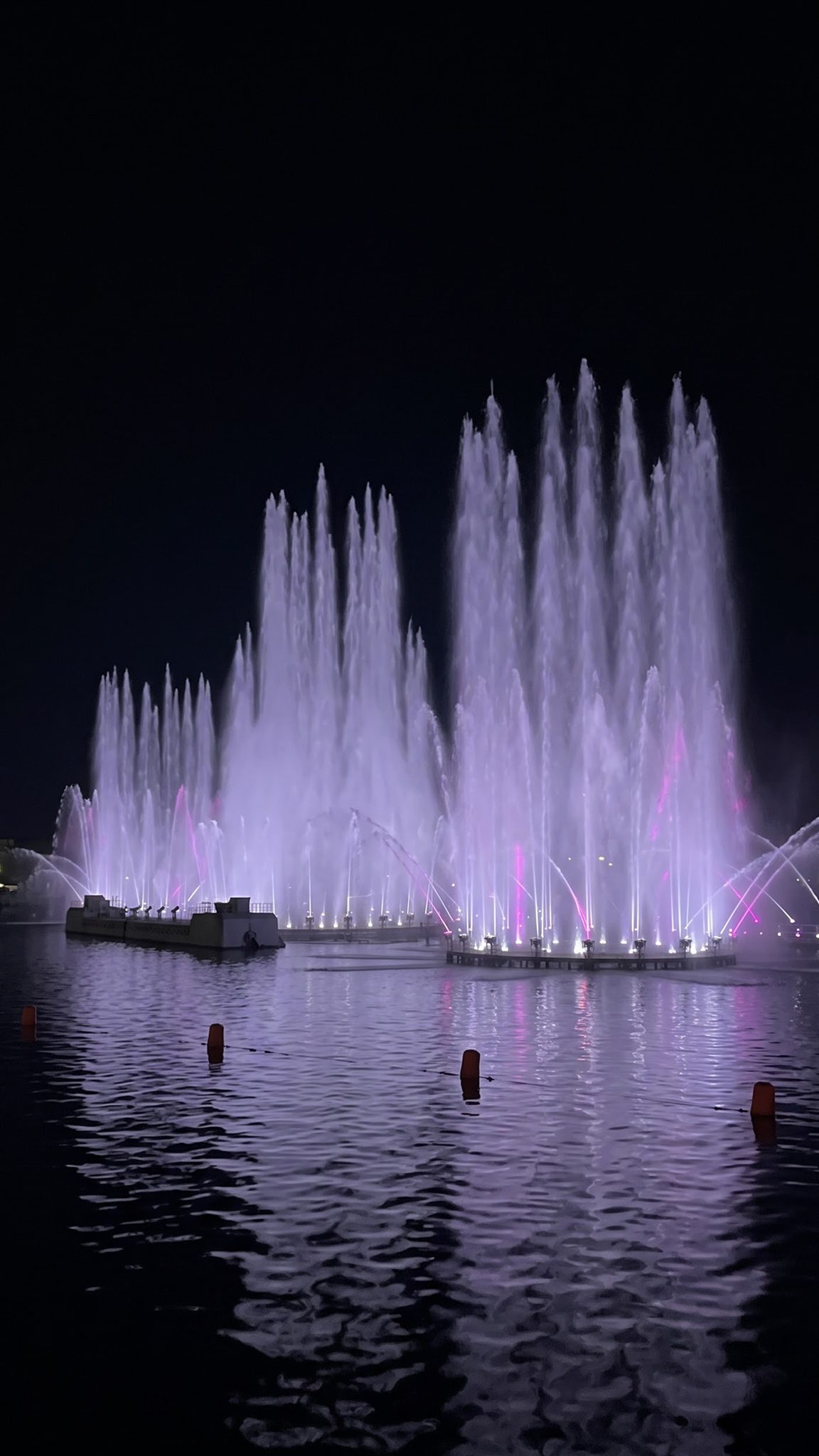
MokpoPeace Plaza
A seafront plaza where evenings end with a dancing fountain show above the water.
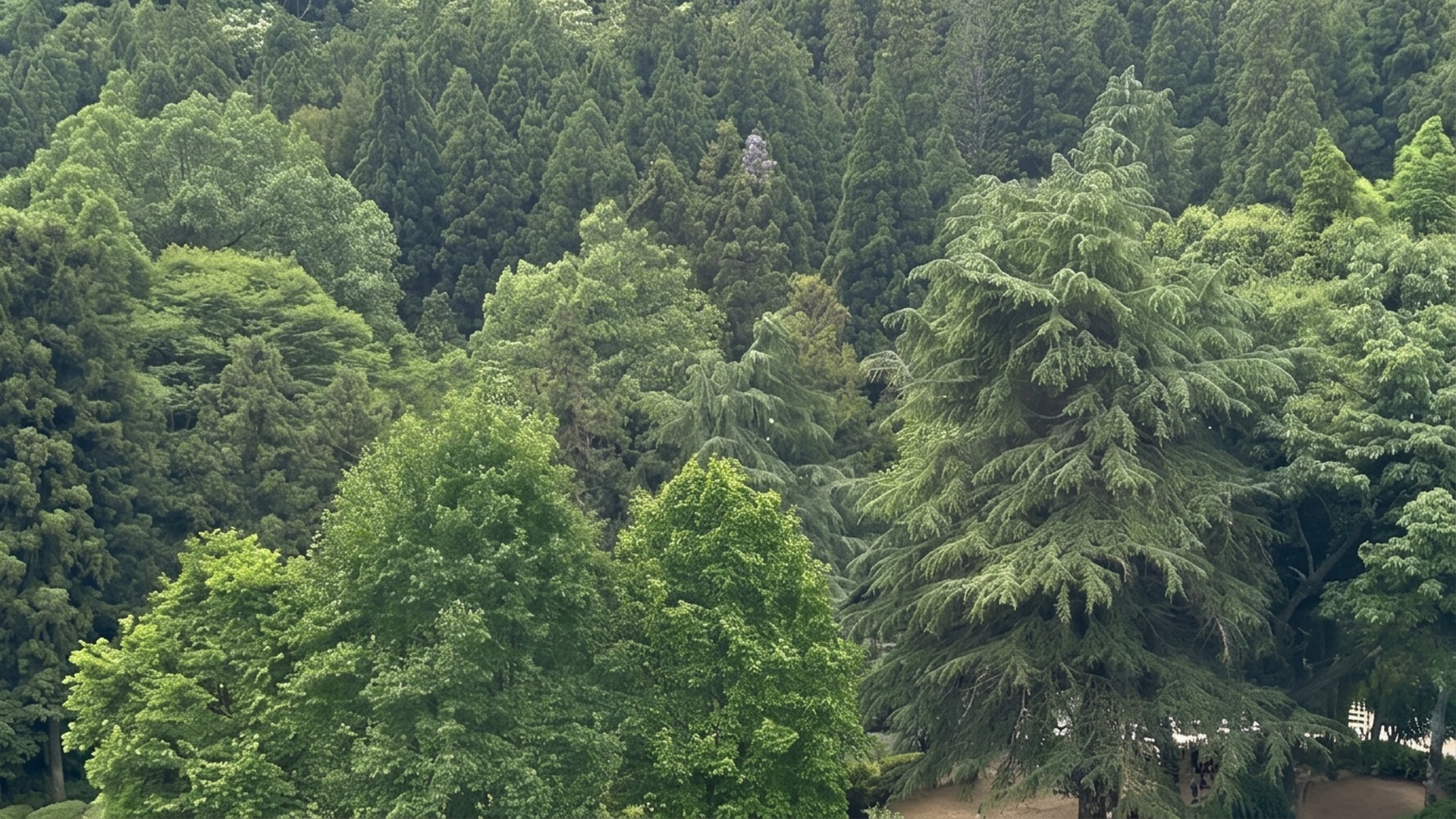
Room to breathe
Wetlands, bamboo forests, tree-lined roads and green tea fields make Jeollanam-do an easy place to slow down.
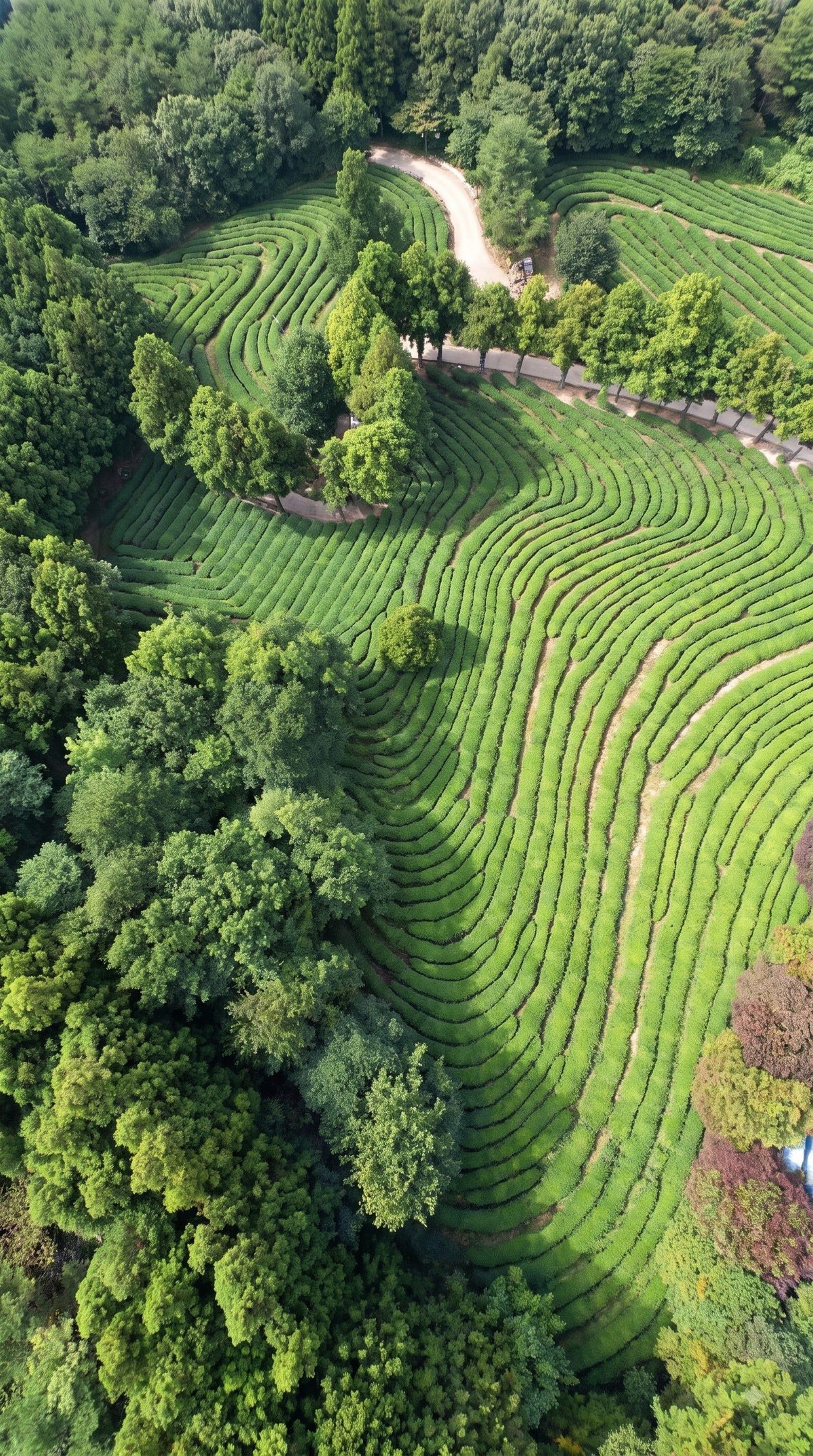
Daehan Dawon Tea Fields
Terraced rows of tea plants climbing the hillsides — the most photographed green landscape in the south.
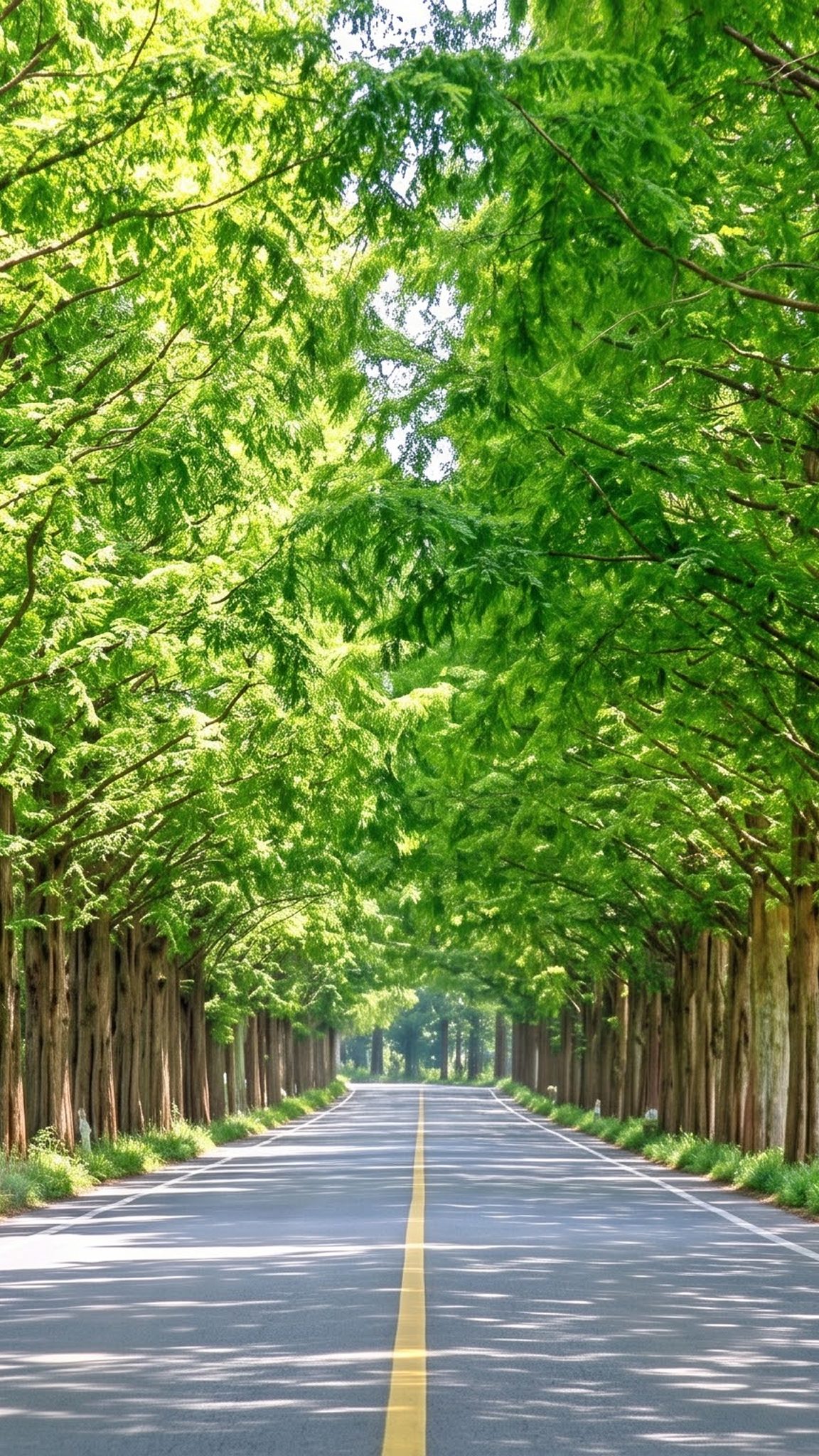
Damyang Metasequoia Road
A long avenue lined with tall dawn redwoods — a landscape that changes with every season.
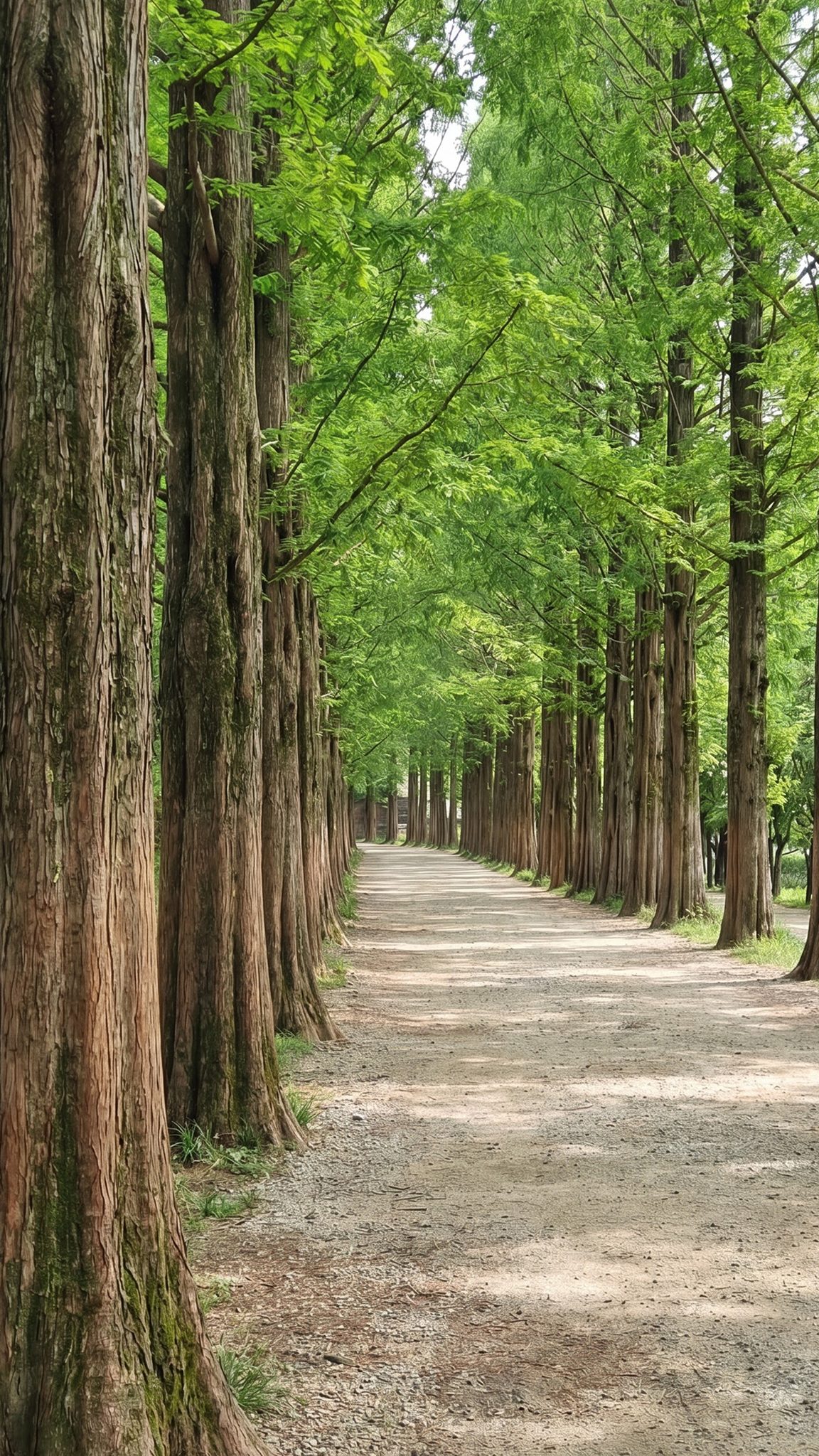
Juknokwon Bamboo Garden
A cool bamboo grove crossed by soft earthen paths, one of Damyang's most loved slow walks.
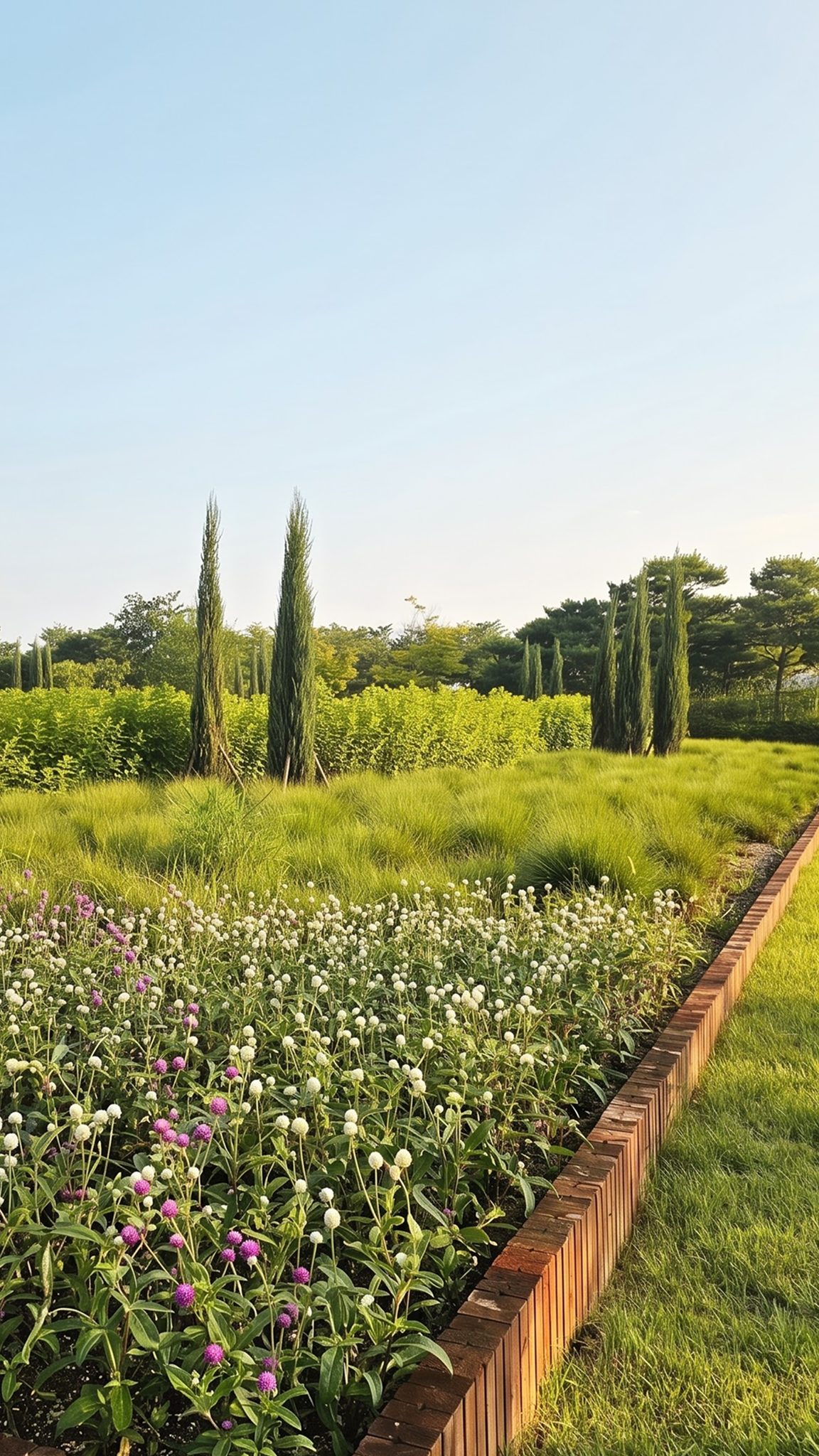
Suncheonman Wetland
A vast reed wetland crossed by boardwalks, changing colour with the seasons and the tide.
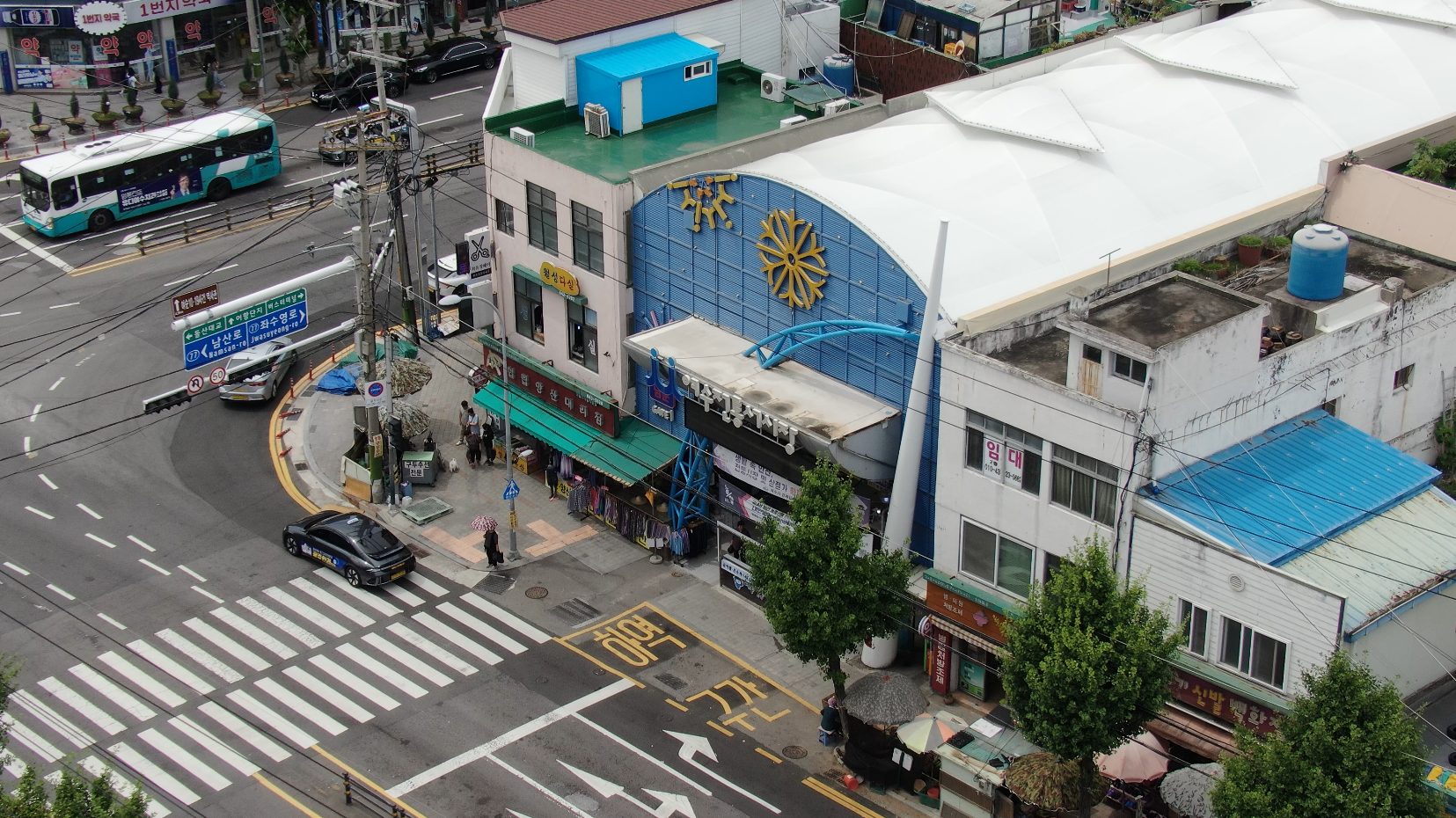
Come hungry
Jeollanam-do's food is closely connected to the land and sea. Explore lively markets, seasonal ingredients, fresh seafood and generous local tables.
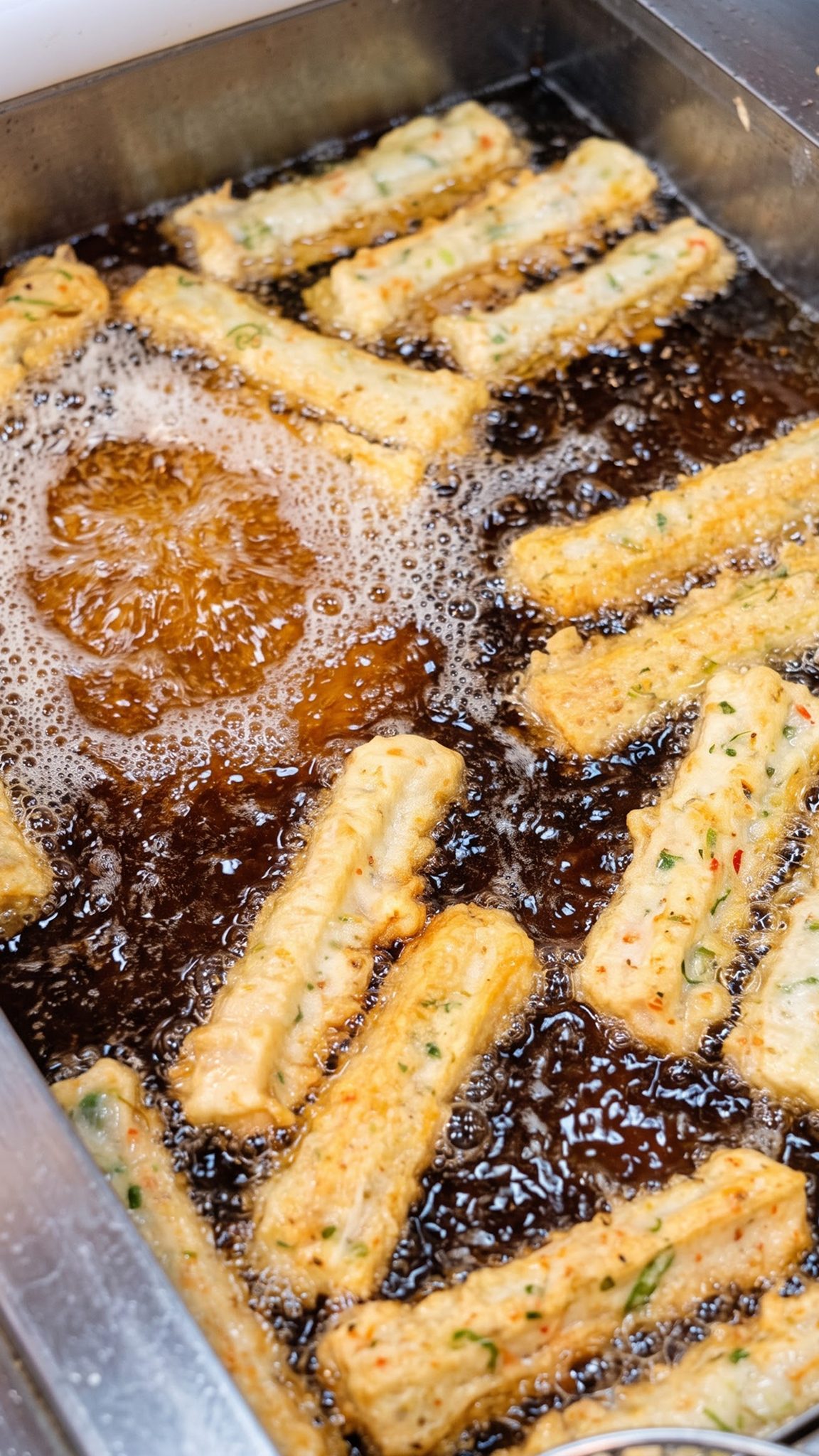
Yeosu Seosijang Market
Yeosu's west market, where the day's catch and seasonal produce fill the lanes from early morning.
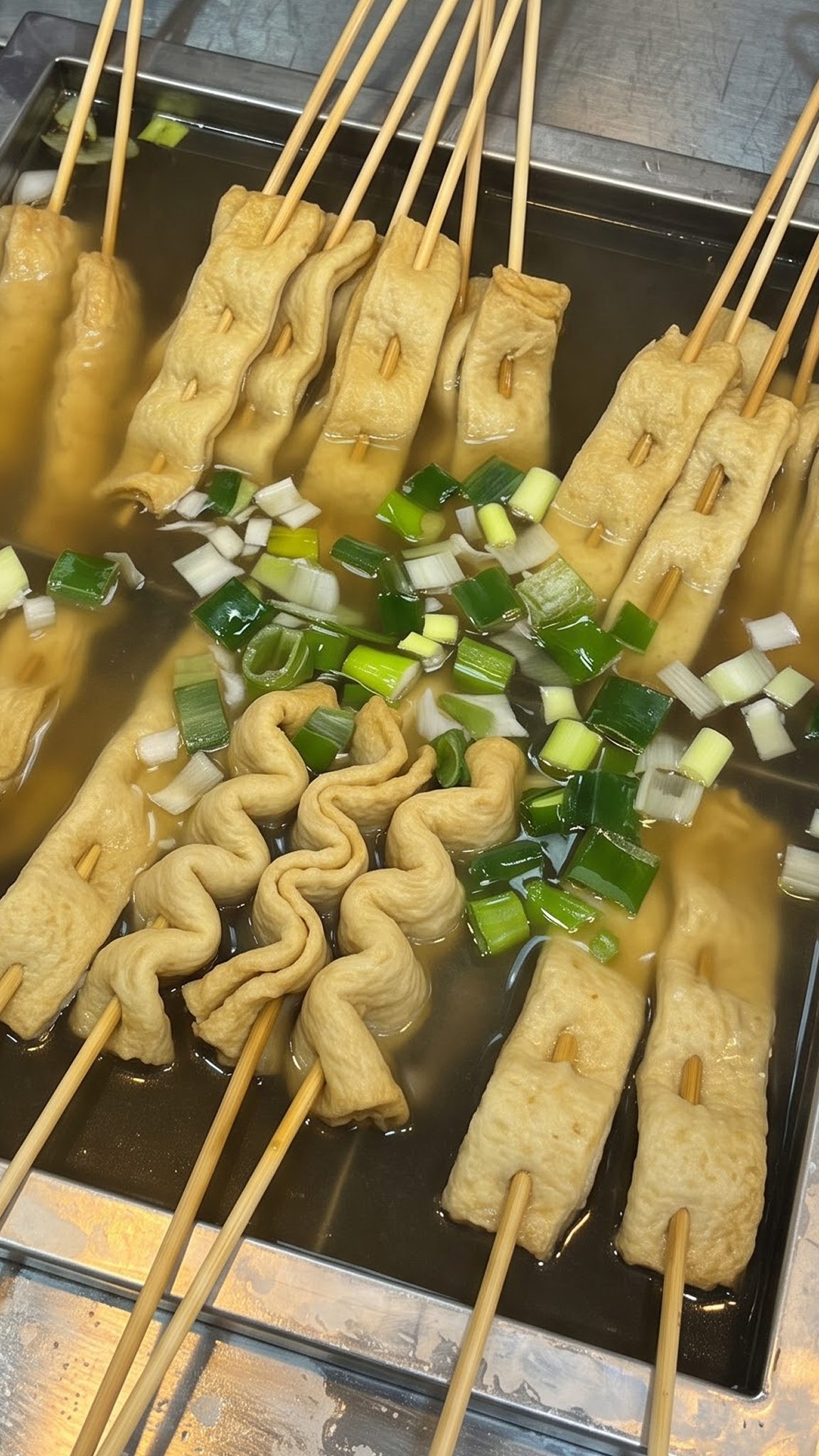
Mokpo Dongbu Market
A working neighbourhood market in Mokpo, best known for skewers and freshly fried snacks.
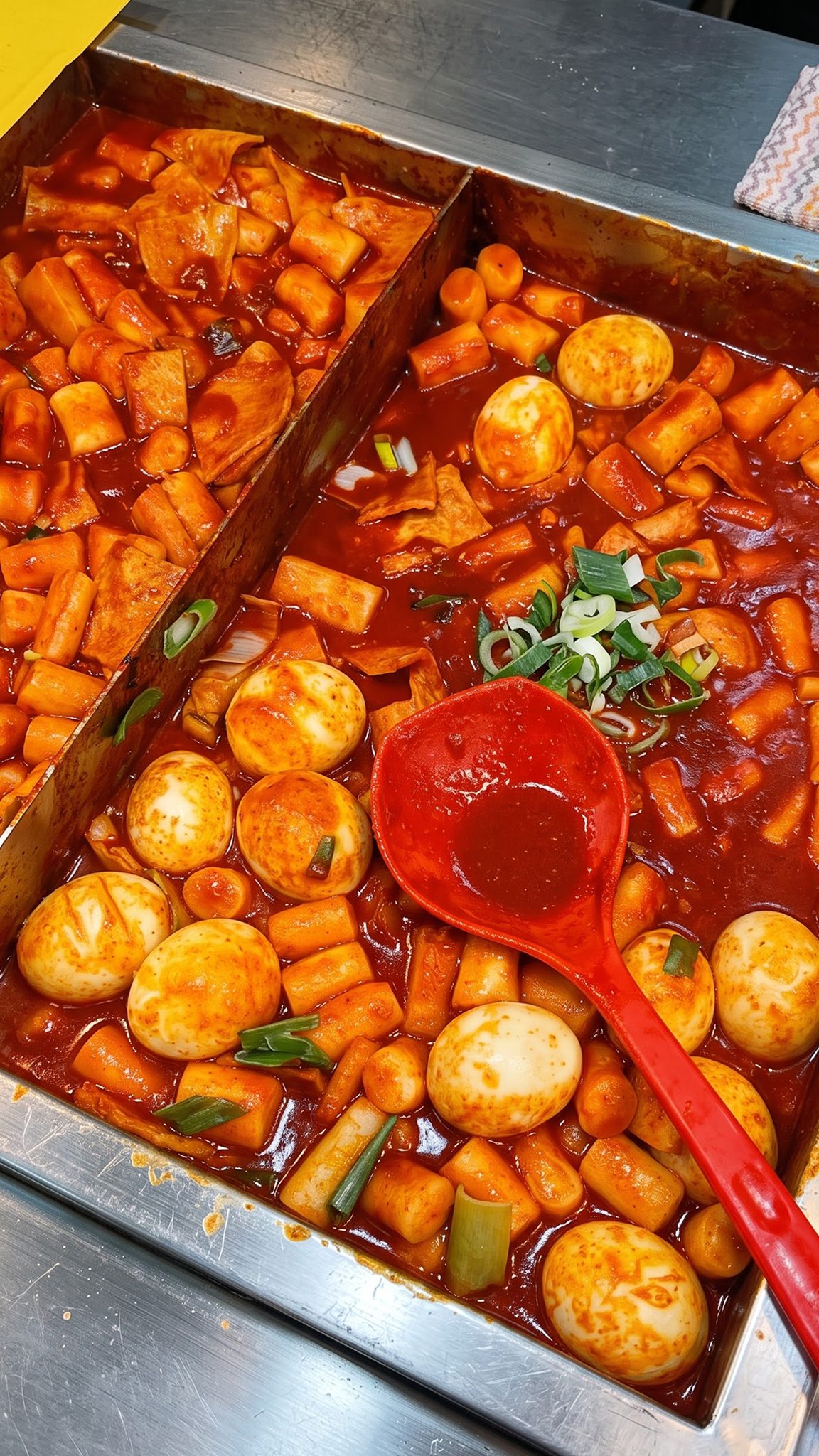
Market Street Snacks
Rice cakes, fried batter and sweet fillings — the snacks that keep market lanes busy all afternoon.
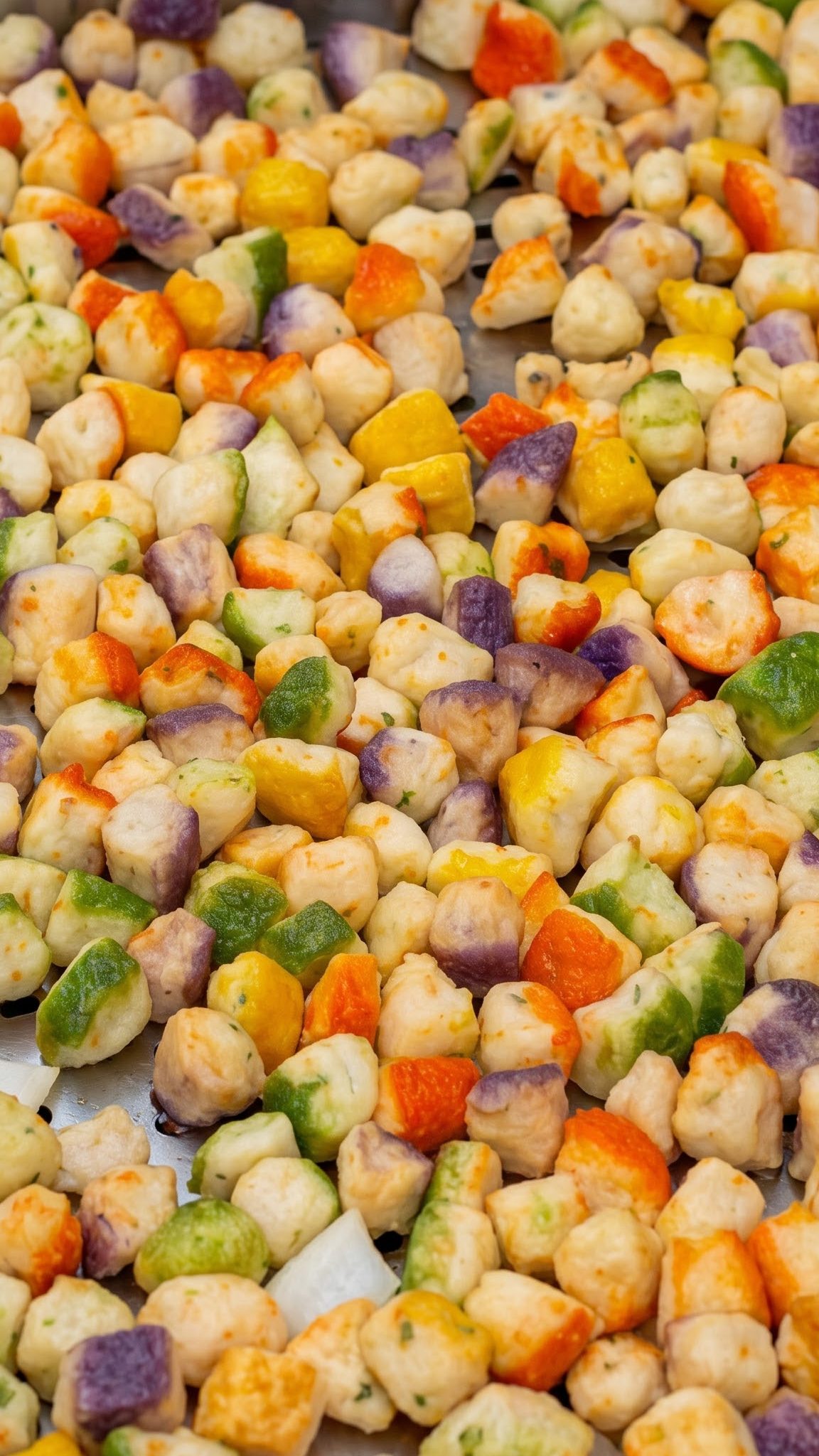
Seasonal Southern Produce
Vegetables, grains and seaweed from the surrounding fields and coast, sold by the season.
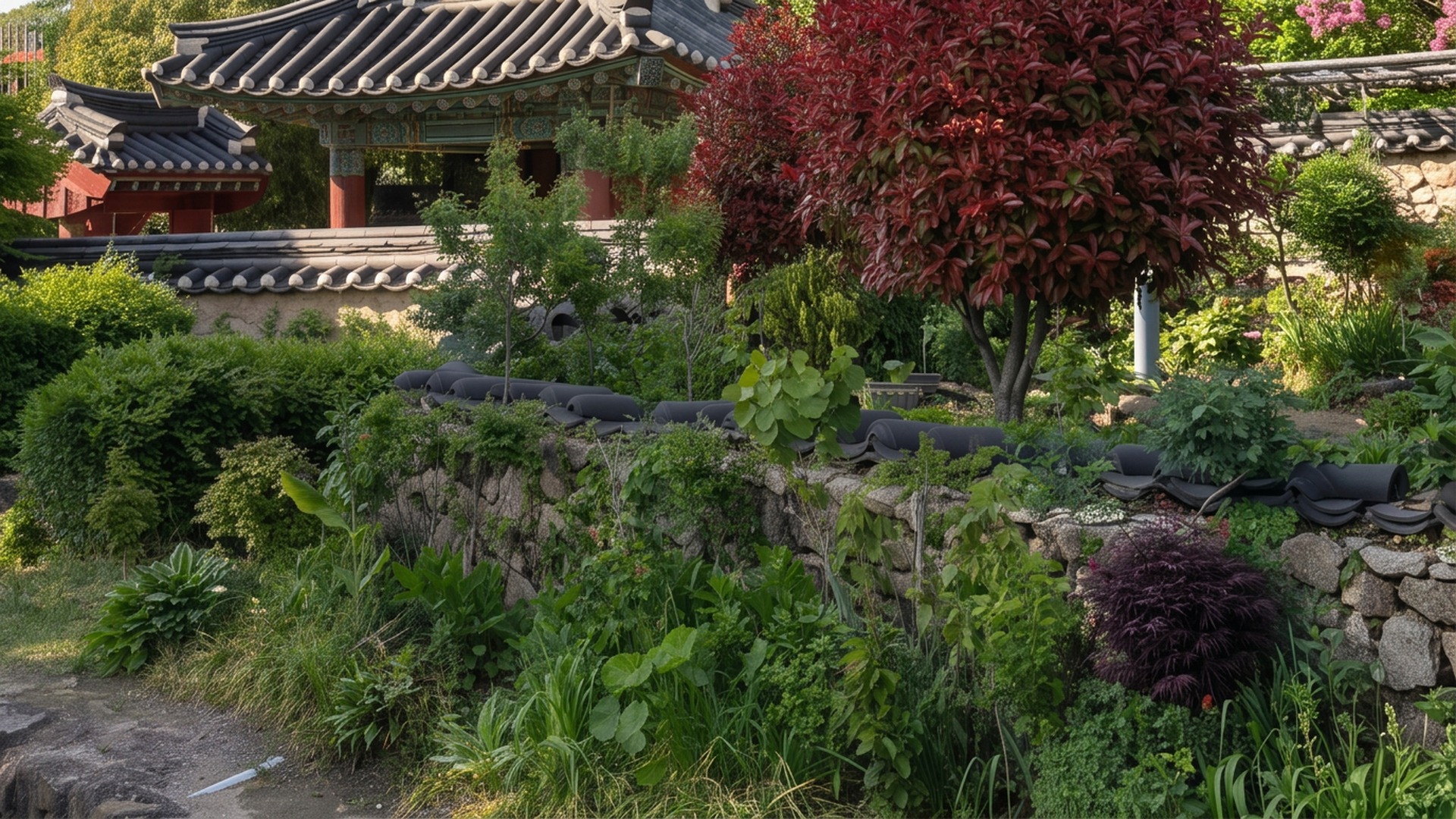
Stories held in place
Walk through living fortress villages, historic port streets and quiet traditional gardens where the region's stories remain visible.
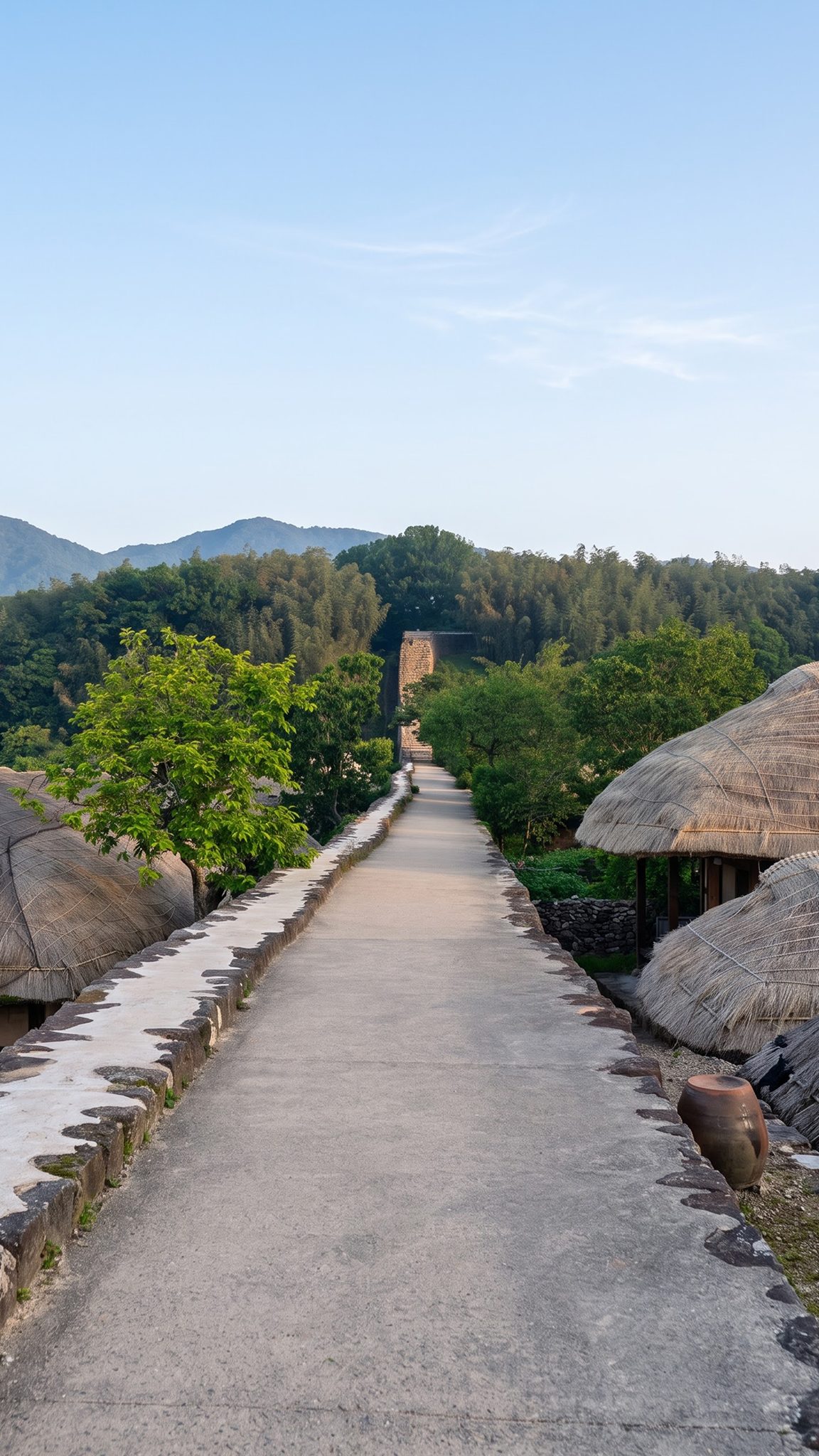
Naganeupseong Folk Village
A walled village where families still live inside historic thatched-roof houses.
- Mokpo
Mokpo Modern History Cultural Space
Restored early-modern port buildings that trace how the city grew around its harbour.
- Damyang
Soswaewon Garden
A classical scholar's garden shaped around a small stream — a masterwork of Korean garden design.
- Damyang
Damyang Garden Pavilions
Tile-roofed pavilions and stone walls tucked into the gardens and hills around Damyang.
Keep Jeollanam-do for your next Korea trip
From island coastlines to quiet gardens and local tables, there is more of Korea waiting in the south.